News

Enthusiastic Beginning for UBPA in 2025
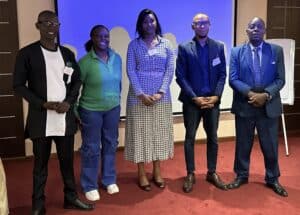
The United Briquette Producers Association of Kenya (UBPA) kicked off the year with great enthusiasm in February of this year. We are happy to report
The United Briquette Producers Association of Kenya (UBPA) kicked off the year with great enthusiasm in February of this year. We are happy to report
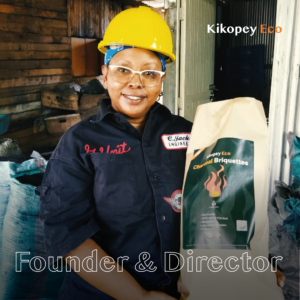
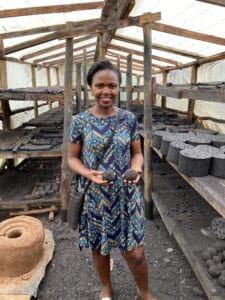
On my last trip to Kenya in February 2023, I had the pleasure of meeting Carol Wangu Wachira, who had just started making briquettes and
In this article posted in The Medium, Ayuengineer interviews Sylvia Herzog, Director of The Charcoal Project: An interview with Sylvia Herzog, Director of The Charcoal Project
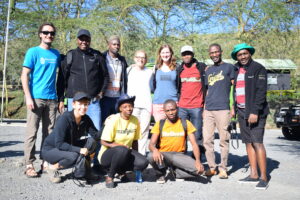
TCP Seeking to Fill Board Vacancy The Charcoal Project is a 10-year old US-based non-profit organization (501(c)(3)) that facilitates the adoption of clean burning technologies,
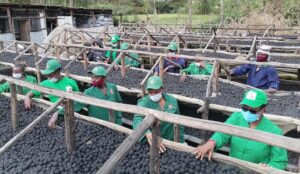

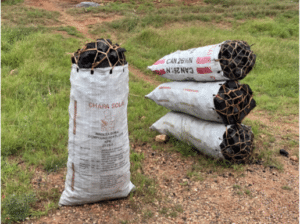
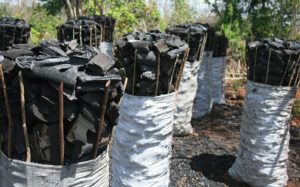
Charcoal awaiting transport, near Voi, Kenya. Photo credit: The Charcoal Project The African continent is facing an energy crisis with ninety percent of the Sub-Saharan
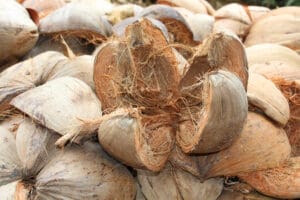
The Opportunity Clean burning charcoal briquettes have started to gain traction recently as viable clean alternatives to traditional charcoal or other biofuels. The feedstocks used
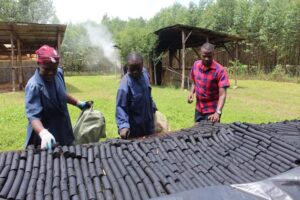

COVID-19, Climate and Clean Fuel: Charting a path for Africa’s Inclusive Green Economic Recovery In a previous blog post for the Charcoal Project, Fatin Ibrahim
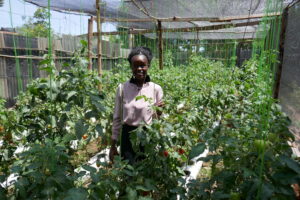
Using Green Energy to fight for Women’s Health Meet Prescilla Awino Onyango of Winam Green Ventures Prescilla Awino Onyango is the founder of Winam Green
The Charcoal Project is seeking to expand its relationships with social impact investors to help facilitate funding for participants in the renewable biomass fuel sector,

How Tanzania’s ‘War on Charcoal’ harms people and the environment A World Bank study from a few years ago concluded that Dar es Salaam, the
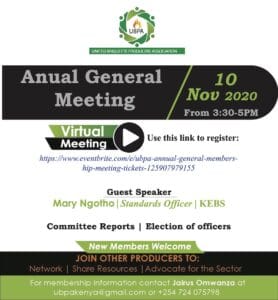
Join the United Briquette Producers Association‘s (UBPA) Annual General Membership Meeting on Nov. 10th, 3:30pm-5pm EAT. The guest speaker this year is Mary Ngotho, Standards
By Fatin El-Kabashi Abdullah Ibrahim Fatin volunteered with TCP this summer providing pro bono legal advice, researching and blogging about TCP’s work in East Africa.
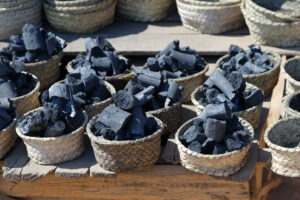
Rogério Carneiro de Miranda, a forest engineer, has dedicated nearly 30 years of his professional life to woodenergy, from mastering the development, production and commercialization
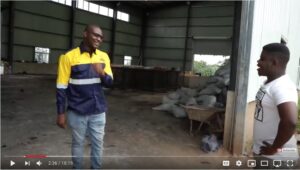
Amin is a Ghanian entrepreneur who used his school fees to start Zaacoal Energy in Accra, Ghana, and built the largest charcoal factory in Ghana. Zaacoal
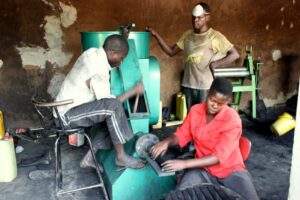
The Charcoal Project and MIT D-Lab co-hosted a webinar for charcoal briquette producers on adapting to COVID-19 restrictions. The webinar covered operational spacing, automating payments

The Charcoal Project Secures New Grant to Relaunch Harvest Fuel Initiative in Kenya Building on the prior success of the Harvest Fuel Initiative (HFI) Pilot
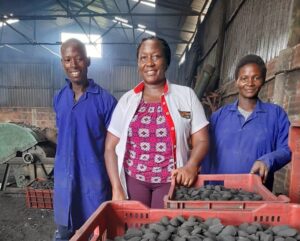
Emergency Funds for Fuel Providers The Charcoal Project (TCP) is raising funds to provide micro grants to fuel providers struggling with COVID 19 restrictions. TCP
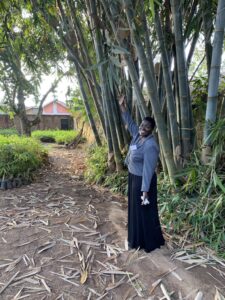
Clean Energy Companies Turn to Bamboo as a Renewable Resource Use of Wood Fuel is Still Prevalent Over 80% of sub-Saharan Africans are still relying
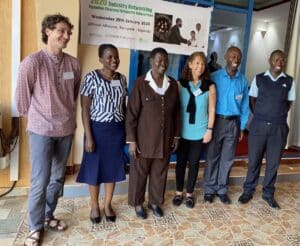
The Charcoal Project is pleased to sponsor a Charcoal Briquette Industry Networking Event in Kampala, Uganda, on January 29th, 2020 Come join us for an
The Charcoal Project has been working with Accenture Development Partnerships and the Clean Cooking Alliance on a new project to develop a price index for

 English
  French