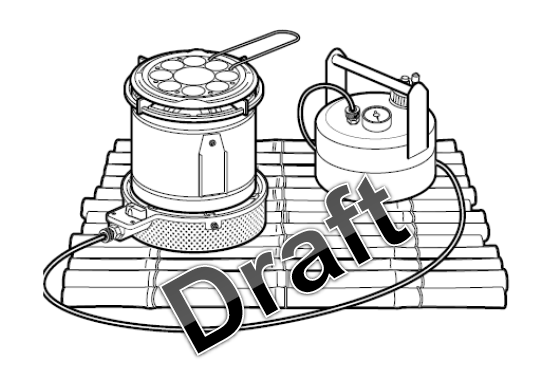
RIP Bosch’s plant oil cookstove
It’s the end of the road for Bosch and Siemens’ plant oil cookstove.
RIP Bosch’s plant oil cookstove Read More »

It’s the end of the road for Bosch and Siemens’ plant oil cookstove.
RIP Bosch’s plant oil cookstove Read More »
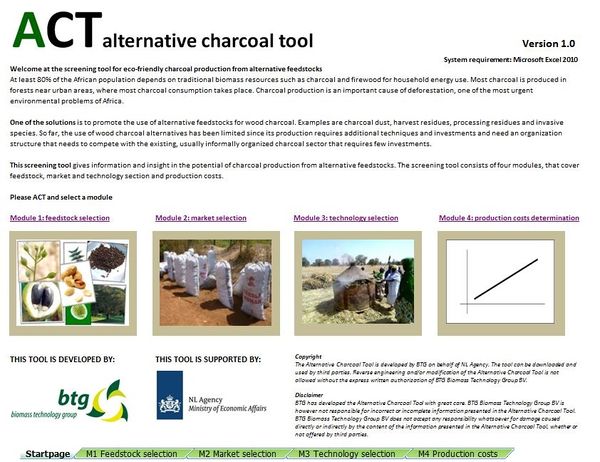
This Alternative Charcoal Tool is not for sale in your local hardware store. But it could help make your life easier if you’re thinking about starting an alternative charcoal business.
To Alternative Charcoal Or Not? That Is The Question. Read More »
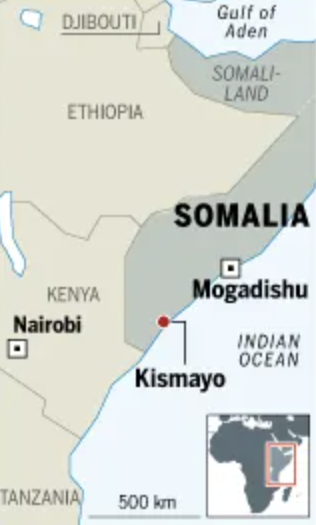
FINANCIAL TIMES: “The UN estimates that (Somalia’s) al-Shabaab pocketed more than $25m from charcoal in 2011, fueling its operations and undermining efforts to promote stability in a fragile country suffering from terrorism, piracy and more than 20 years of clan warfare.”
NEWS: Illegal charcoal trade from Somalia on UN’s crosshair Read More »
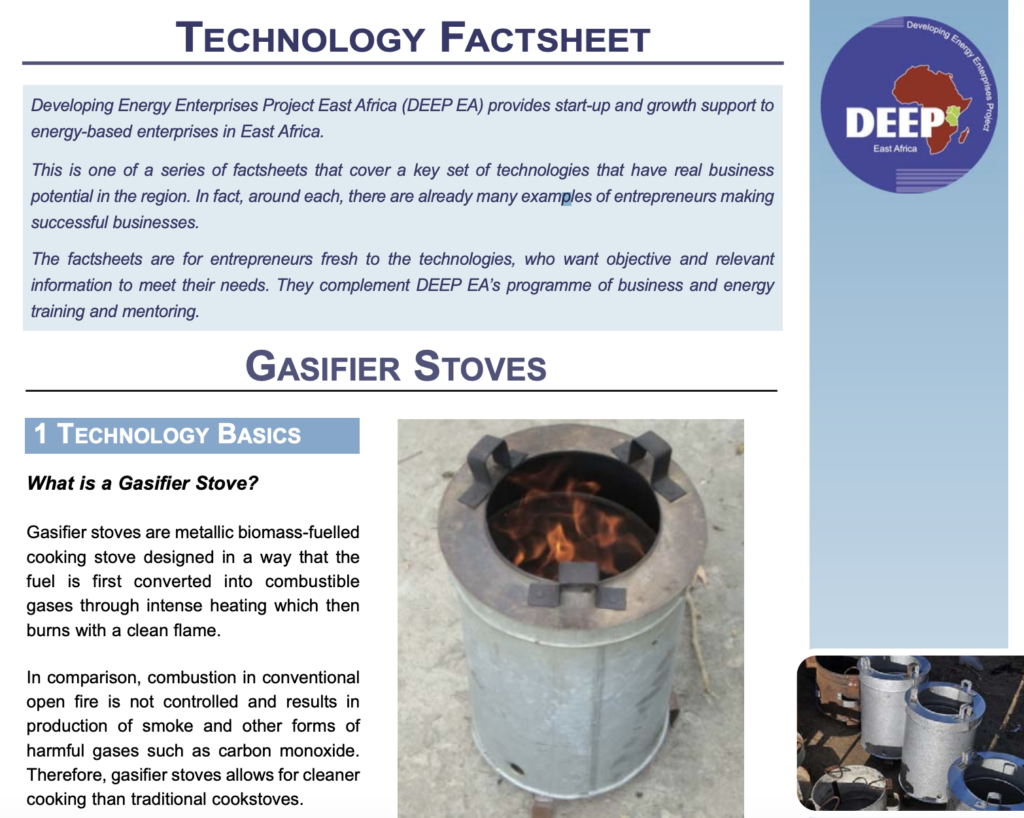
A joint Zambian and Swedish venture is looking to curb deforestation by introducing a new type of cookstove, which runs solely on clean fuel, into Zambian households.
Gassifier stove project in Zambia aims to curb deforestation Read More »
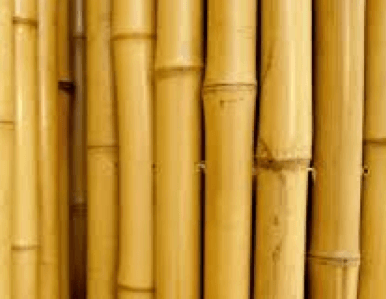
The International Network for Bamboo and Rattan (INBAR), is promoting bamboo charcoal technologies in Ghana, which have the potential to jump-start the country’s bio-energy sector and generate and sustain the charcoal business.
NEWS: Bamboo charcoal technology introduced in Ghana Read More »
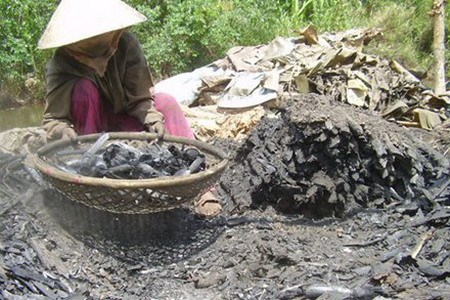
Many poor people in the southernmost province of Ca Mau burn forests to obtain charcoal, running the gauntlet of years in jail and even shooting by rangers. “We know we are burning our own homes, but what else can we do to feed ourselves?”
NEWS: Poor burn mangrove for charcoal in southern Vietnam Read More »
“The charcoal trade, referred to as “black gold” by Kampala traders, has become more profitable than the forests where trees are being indiscriminately cut down for charcoal-burning.”
NEWS: Charcoal is Uganda’s “black gold.” Read More »
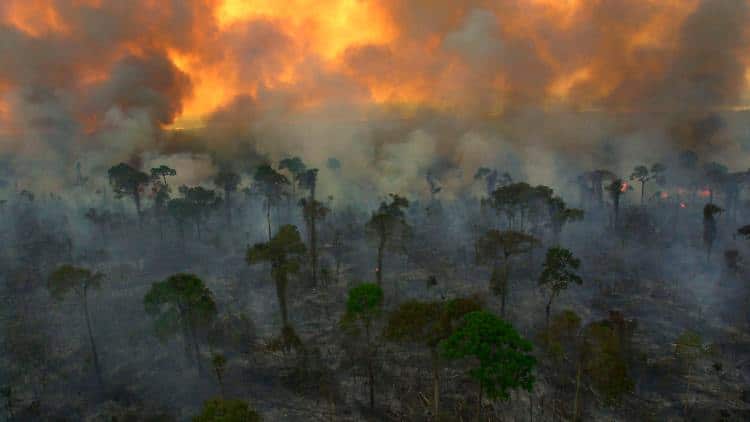
“Reducing emissions from diesel engines and domestic wood and coal fires is a no-brainer, as there are tandem health and climate benefits,” says Professor Piers Forster of the University of Leeds’ School of Earth and Environment.
Black Carbon: The low-hanging fruit of climate change that keeps getting lower Read More »
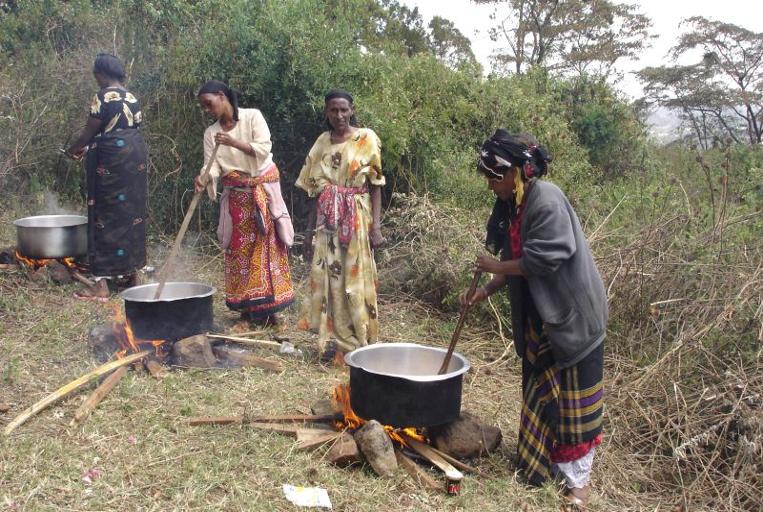
Study indicates that the number of victims from the “silent killer in the kitchen” is double that of previous estimates. Indoor air pollution kills more than diarrhea, malaria, tuberculosis, and HIV… combined.
Major killer for women & children in developing world: inefficient cookstoves Read More »

There is evidence that bamboo charcoal burns cleaner than wood charcoal and with comparable heating and energy values. Charcoal production is another way for families to diversify their livelihoods and earn some additional income, and the relatively limited investments required for the simple charcoal-making process make it an income source that is accessible to many.
NEWS: What’s good for the panda is good for the cookstove Read More »
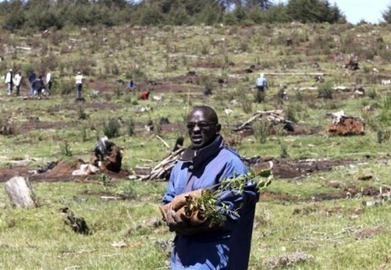
It’s encouraging to hear the head of the Kenya Forestry Service call for the planting of trees for wood energy and other products. That’s exactly the right call. We would however want to make certain that his call to plant trees on agricultural lands does not come at the expense of food production. Food security
NEWS: Kenya urges move to plant trees for charcoal Read More »
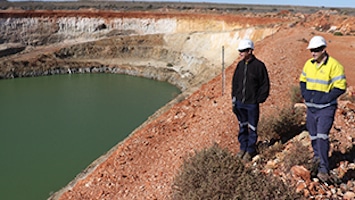
(NEWS) “Gold Fields plans to establish a 10 to 15 MW biomass energy plant in Ghana on the boundary of its Tarkwa mine in the country. All the power generated at the plant would be used by the mining operation.”
NEWS: Gold Fields plans biomass energy plant in Ghana Read More »

 English
  French