Creating Sustainable
Biomass Solutions
In Africa and the world.
Our Impact
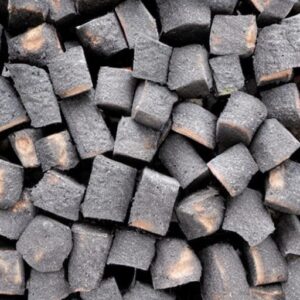
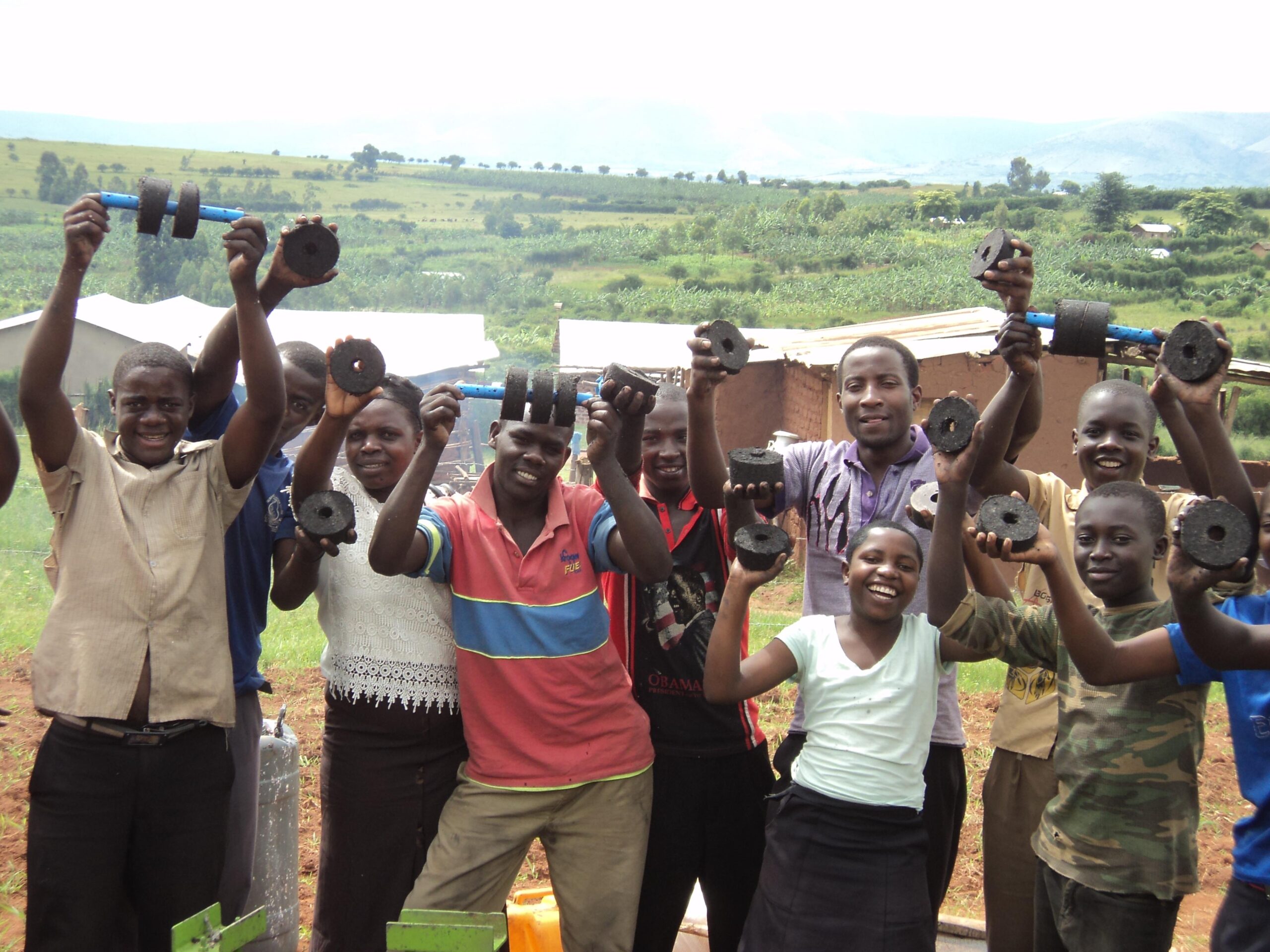
Replacing wood and traditional wood charcoal with more sustainable solutions has a positive impact on forest cover, energy savings and women and children’s health, while also contributing to income generation and local employment.
100,000+
Trees Saved
20%
Energy Savings
Per Customer
200+
Women Empowered
Women Empowered
200+
Entrepreneurs
Mentored
Featured Video - Panel on Social Entrepreneurship, Gender and Climate Change
We believe in making a difference.
Nurturing, Leading, and Sharing Knowledge
The mission of The Charcoal Project is to promote, facilitate, and advocate for the widespread adoption of clean burning technologies, sustainable fuel alternatives, and policies that support energy-poverty alleviation for those who depend on biomass as their primary fuel around the world.
What We Do?
Our vision is the large-scale and widespread adoption of sustainable solid biomass fuels and clean burning technologies for people who depend on wood, charcoal, and other traditional biomass fuels for their daily cooking and heating needs.
Supporting Entrepreneurs
We invest financial, technical, and business management resources in social enterprises that have the potential to grow and multiply.
Advocacy
and Policy
Help us spread awareness, change policies, and make better fuels and cooking technologies available to the masses.
Sustainable Feedstock Initiatives
Promote the use and development of sustainable feedstock for biofuels.
Access
Resources
Providing resources to the global community of stakeholders who are working to bring change for those who need it most.
Subscribe to Our Newsletter
Stay in touch with us to get latest news and more.
There are many ways to help.
Your contributions can help us deliver better fuels, technologies, and policies to the billions of people worldwide that use wood, charcoal, and animal dung for cooking and heating.
We are always looking for volunteers who can contribute their skills to help this community.
 English
  French